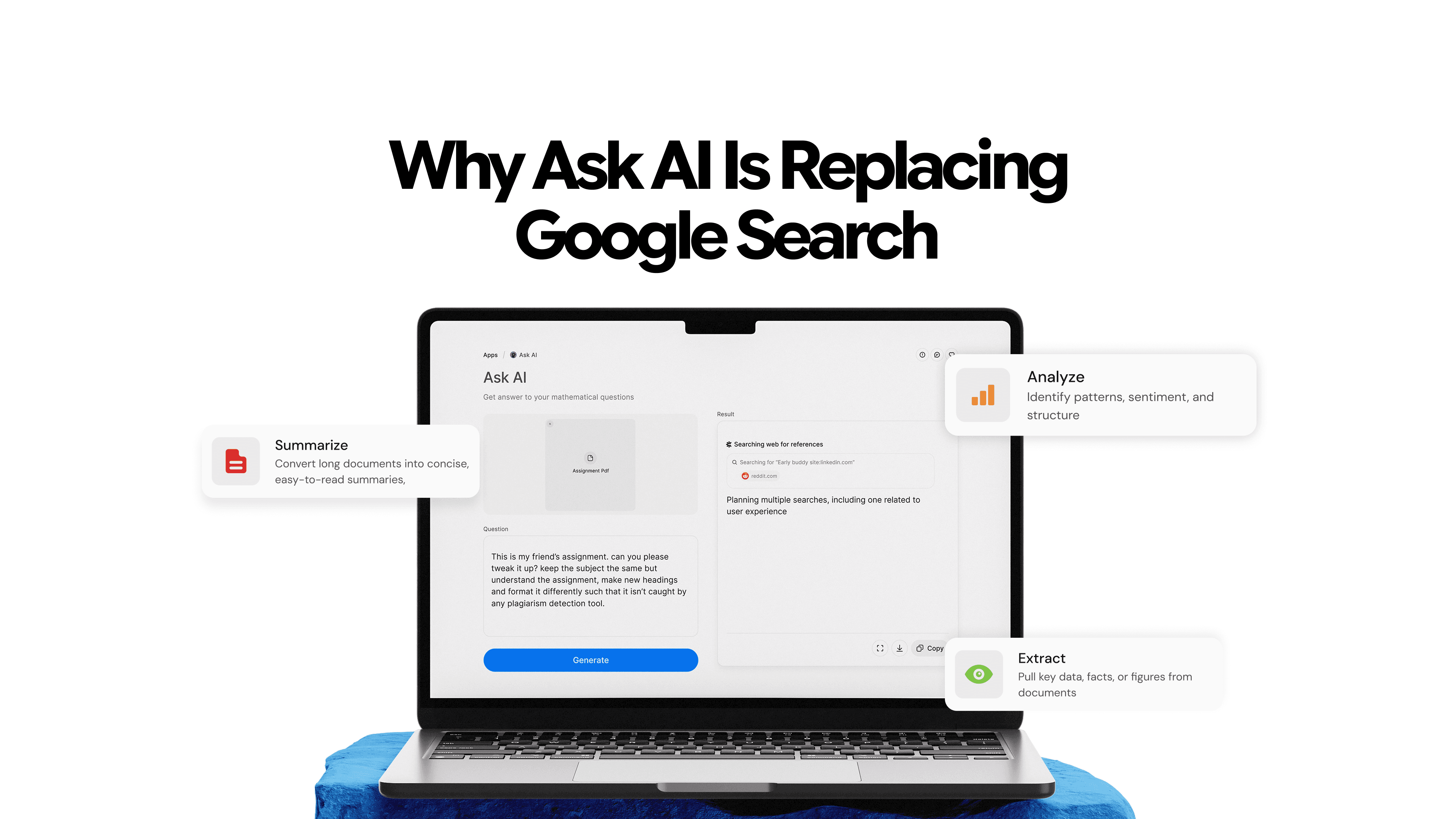
Why Ask AI Is Replacing Google Search
The way people look for information is changing. It is happening in the daily habits of students, professionals, researchers, and casual users who have quietly started going somewhere other than Google when they need a real answer.
The shift is not about loyalty to a brand or frustration with a platform. It is about a fundamental difference in what these tools actually do and what people have started to expect from them.
This article breaks down how traditional search works, how Ask AI tools work, and why that difference is driving one of the most significant behavioral changes in how people consume information.
Understanding Where Traditional Search Falls Short
Before exploring what Ask AI does better, it helps to understand the mechanics of what Google actually is.
Google is an index. It crawls billions of web pages, assigns them relevance scores based on keywords, backlinks, and authority signals, and returns a ranked list of links when you search.
That list is not an answer. It is a set of directions to places where an answer might exist.
The user still has to click, read, evaluate, and piece together information from multiple sources. For a simple query like a weather update or a business address, this works well enough. For anything requiring understanding, comparison, or nuance, it falls apart quickly.
The average search session for a complex question involves at least three to four clicks, multiple tabs, and a significant amount of reading to extract what the user actually needed in the first place.
That gap between what people ask and what traditional search delivers is exactly where Ask AI has stepped in.
How Ask AI Tools Actually Work
Ask AI tools are built on a fundamentally different architecture. Understanding that difference is what makes the shift in user behavior make sense.
Traditional search matches keywords to indexed content. Ask AI tools use large language models that are trained to understand language at the level of meaning and intent.
When you type a question into an Ask AI tool, it does not go looking for a page that contains your keywords. It reads what you are actually asking, interprets the intent behind the words, and constructs a response based on a deep understanding of the subject.
This changes the entire experience.
You do not need to phrase your question in a way that a search engine can parse. You can ask it the way you would ask a knowledgeable colleague, and it responds in kind.
The other significant difference is context retention. Ask AI tools remember what you said earlier in a conversation and build on it. If you ask a follow-up question, the tool understands that it is a continuation of what came before. Traditional search treats every query as a completely new request with no memory of what preceded it.
That alone removes an enormous amount of friction from the process of finding and understanding information.
Why Ask AI Is Pulling Ahead
This is where the real case builds. Ask AI is not just a convenient alternative. For the majority of use cases most people encounter daily, it is a better tool.
Here is why.
Conversational depth changes everything
With traditional search, each new question starts from zero. With Ask AI, the conversation builds. You can ask a broad question, get a clear response, and then ask a follow-up that digs deeper without re-explaining your context. That kind of layered exploration is how real understanding forms, and traditional search has never been able to support it.
Synthesis is more valuable than a list of sources
When you search for a complex topic on Google, you get links. You have to open them, read them, and do the work of connecting the information yourself. Asking AI does that work for you. It pulls from a broad base of knowledge and delivers a single, coherent response that already reflects the synthesis of multiple perspectives.
The response fits your context, not a general audience
Content written for a search engine is written for everyone, which means it is fully optimized for no one in particular. Ask AI tools respond to your specific question in your specific context. If you tell it your level of familiarity with a topic, it adjusts. If you are working on something specific, it shapes its response around that. The answer you receive is relevant to you, not to an average reader.
Speed of understanding is dramatically different
Getting a real answer from traditional search takes time. You click, you skim, you evaluate sources, you repeat. Ask AI compresses that process into a single response. For users who need to understand research papers quickly, that compression is not a minor convenience. It is a meaningful change in how efficiently they can work and learn.
The use cases where Ask AI consistently outperforms traditional search include:
- Research and summarization of complex topics
- Learning and understanding new concepts from scratch
- Writing assistance, editing, and feedback
- Decision support that requires weighing multiple factors
- Study preparation and knowledge testing
These are not niche applications. They represent the majority of reasons most people turn to search in the first place.
What Separates a Good Ask AI Tool From a Basic One
Not every Ask AI tool delivers on the promise equally. The quality of the experience depends significantly on how the tool is built and what it is designed to do.
The qualities that separate genuinely useful Ask AI tools from basic ones are worth understanding before you commit to one.
Accuracy and depth of response matter most. A tool that gives fast but shallow answers creates a different kind of frustration than slow search. The response needs to reflect real understanding of the subject, not just surface-level pattern matching.
Conversational ability is equally important. The tool should be able to follow a thread, understand references to earlier parts of the conversation, and handle nuanced follow-up questions without losing context.
The ability to work with your own documents and material is what moves a tool from generally useful to specifically powerful. When an AI tool can read your notes, your files, or your uploaded content and respond based on that material, it becomes something far more valuable than a general search replacement.
This is where Chatly is built differently. It is designed around genuine interaction rather than query response. You can bring your own material into the conversation, ask questions that are specific to your context, and get responses that reflect what you actually provided. It does not just answer questions. It helps you think through problems using information that is relevant to you specifically.
That distinction matters. A tool that answers is useful. A tool that helps you understand is valuable.
The Behavior Shift Happening Right Now
The move toward Ask AI is not a prediction anymore. It is already observable in how people across age groups and professional backgrounds are changing their habits.
Users are increasingly defaulting to AI tools before they open a search engine. The instinct that used to lead someone to type a query into Google is now leading them to ask an AI tool directly. The reason is simple: they have experienced the difference and the expectation has shifted.
The underlying change in intent is significant. People have always wanted answers. Search engines gave them directions to answers and asked them to do the rest of the work. Ask AI tools give them the answers directly, in a form that is immediately useful.
That shift in what users expect from an information tool is not going to reverse. Once the experience of getting a direct, intelligent, conversational response becomes the default, the process of sifting through links starts to feel like an unnecessary step.
What this signals is a broader change in how information is consumed. Understanding is becoming more accessible. The barrier between having a question and getting a meaningful response to it has collapsed in a way it never has before.
What You Should Know Before You Rely on It Fully
Ask AI tools are powerful. They are also imperfect, and using them well means understanding their limits.
AI responses are not always accurate. Language models can produce confident-sounding responses that contain errors, outdated information, or gaps. For low-stakes questions, this is a manageable risk. For high-stakes decisions involving health, legal matters, or financial choices, independent verification is still necessary.
Real-time information is also a genuine limitation. Ask AI tools are not continuously indexing the web the way search engines do. For breaking news or time-sensitive data, traditional search still has a role.
The most effective approach is not a binary choice between the two. Use Ask AI for understanding, synthesis, and exploration. Use traditional search when you need a specific source, a real-time result, or a citation you can verify directly. That combination gives you the strengths of both without the weaknesses of either.
That said, the intellectual heavy lifting, the part that requires understanding and reasoning rather than just retrieval, is increasingly being handled by AI. And that is not a temporary arrangement.
Conclusion
Ask AI is not replacing Google because it is newer or because it feels more modern. It is replacing it because it does something Google was never actually designed to do.
Google finds information. Ask AI helps you understand it.
For most people, most of the time, understanding is what they were looking for all along.
Tools like Chatly are built for exactly that purpose. If you have not yet made Ask AI your first stop for the questions that actually matter to you, it is worth starting there and seeing how different the experience is.
The shift is already happening. The only question is whether you are ahead of it or still catching up.
Frequently Asked Question
Get familiar with working of Ask AI tools and get accurate and personalized answers every time.
More topics you may like

We Asked AI to Explain One of the Most Important and Complex Research Papers. Here's What Happened.

Daniel Mercer
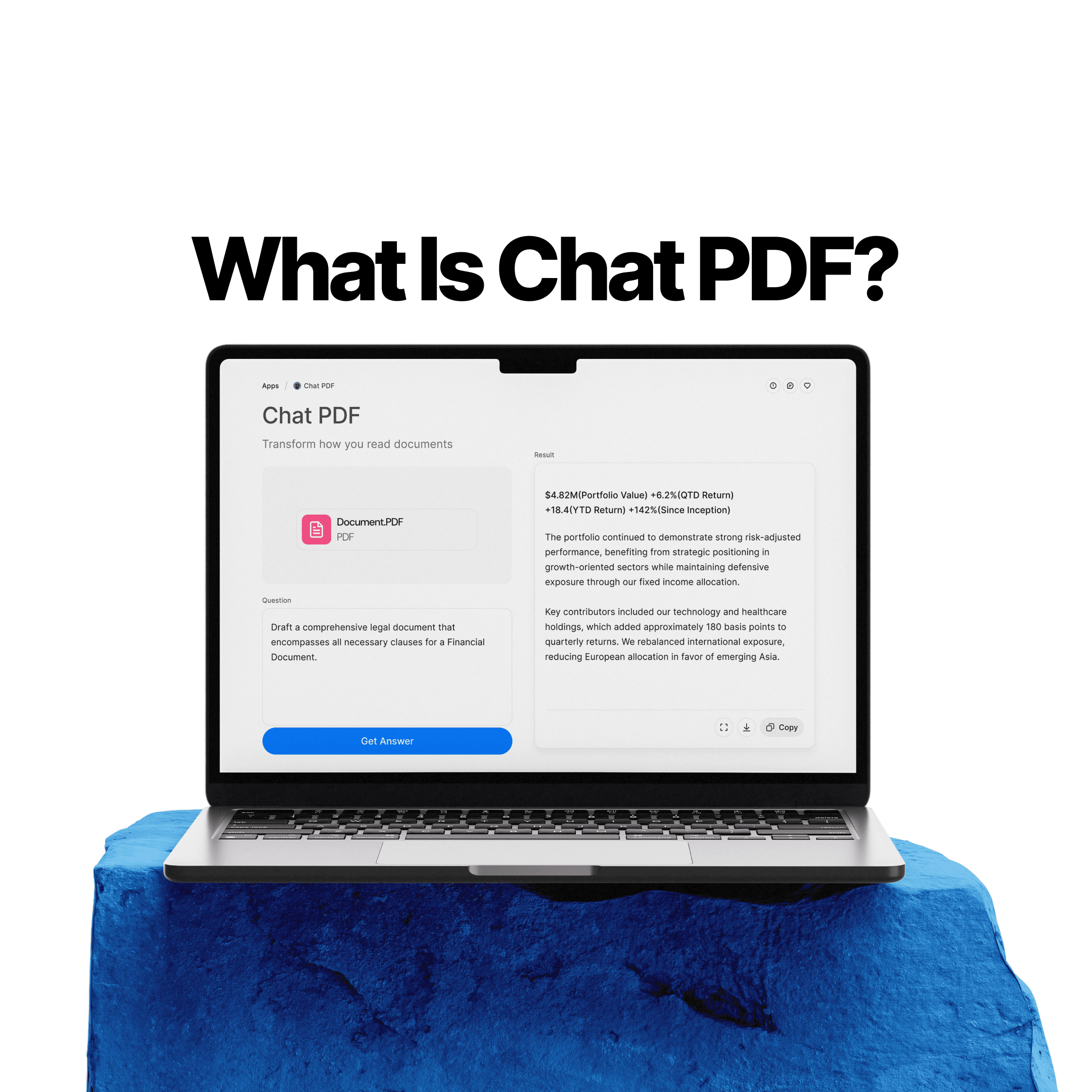
What Is Chat PDF? How to Chat With PDFs, Summarize Files, and Find Answers Faster

Elena Foster
Why PDFs Are Hard to Read, Search, and Understand
Elena Foster
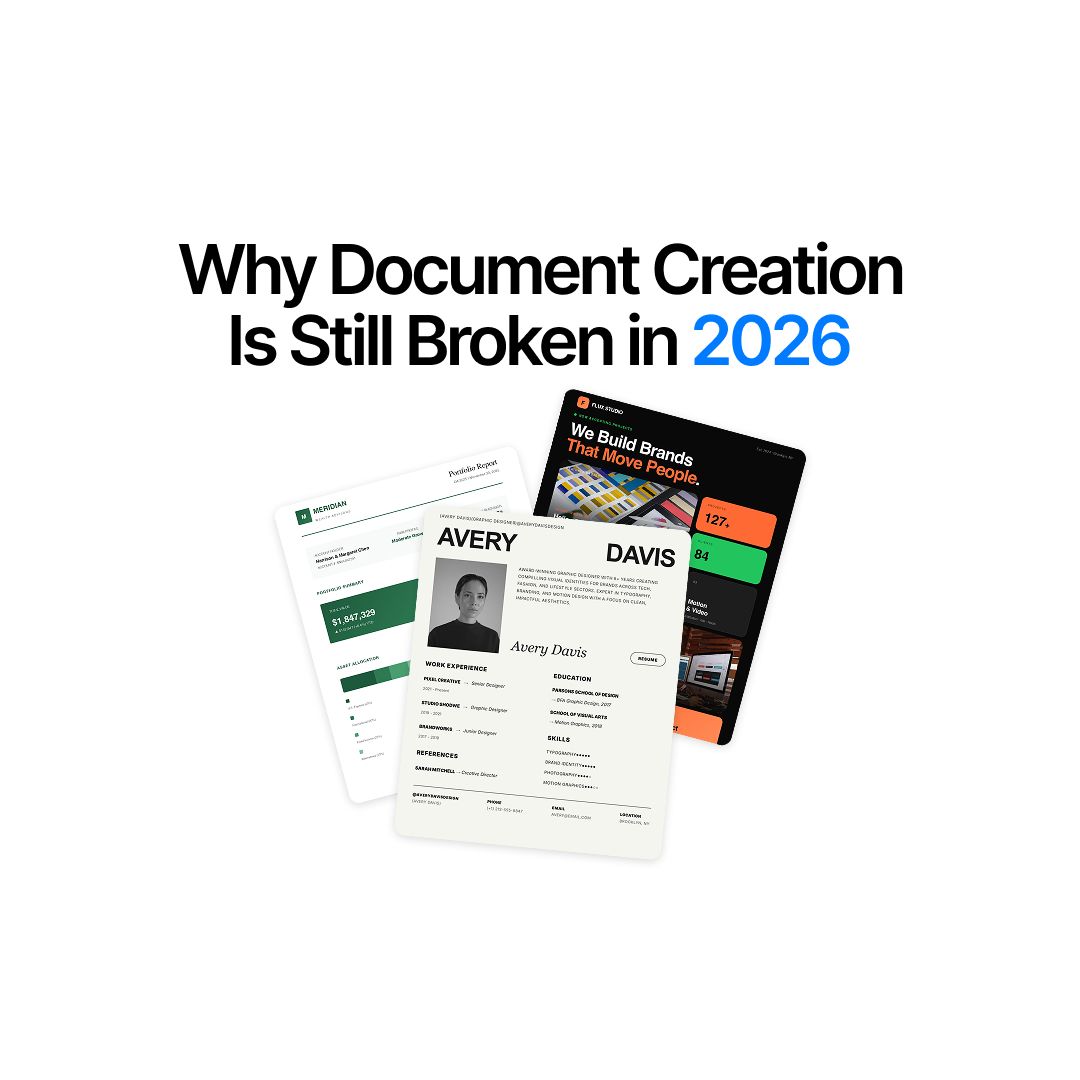
Why Document Creation Is Still Broken in 2026 — How AI Document Generators Are Fixing It

Faisal Saeed
What are AI Presentation Makers? How Are They Making a Bigger Impact With Better Slides?

Maya Collins