Lead Magnet Ideas That Attract the Right People
Most lead magnet lists give you formats. Checklists, ebooks, templates. You already know those exist. What they rarely tell you is which idea works for which audience, at which stage, and why.
That gap is exactly what makes most lead magnets underperform. A photographer and a SaaS agency both need lead magnets, but the same checklist that builds an email list for one will be completely ignored by the other.
This article covers proven lead magnet ideas across two layers. First, the universal ideas that work regardless of industry when executed correctly. Then, ideas organised by audience type, so you can find what actually fits your business without guessing.
If you want to know how to build any of these from scratch, the process is covered in full in our guide on how to create a lead magnet.
Universal Lead Magnet Ideas That Work Across Industries
These formats have proven conversion records across a wide range of audiences. Each one works best under specific conditions, which is what most lists leave out.
1. The Actionable Checklist
A checklist solves one of the most common frustrations people have: knowing what to do but not knowing in what order or whether they have covered everything. It removes decision fatigue and delivers a feeling of control almost immediately.
The key is specificity. "Social Media Marketing Checklist" will not convert. "Pre-Launch Content Checklist for Your Next Product Drop" will. The more precisely your checklist maps to a moment your audience is actually in, the higher your opt-in rate.
Best for: Marketers, content creators, small business owners, service providers.
Funnel stage: Top of funnel. Works best for cold audiences who have never heard of you.
2. The Ready-to-Use Template
Templates convert because they solve the most universally dreaded part of any task: the blank page. Your audience does not want to learn how to do something from scratch. They want to get it done. A template hands them the structure and lets them focus on the content.
The best templates include brief notes explaining why each section is built the way it is. That context turns a passive resource into a teaching moment, which builds trust faster than any ebook.
Best for: Agencies, marketers, consultants, operations teams, SaaS users.
Funnel stage: Mid-funnel. Works best for audiences already aware of their problem who want a faster solution.
3. The Focused Guide or Ebook
Guides work when the topic genuinely requires more than a list can give. The mistake most people make is writing the guide they want to write rather than the one their audience needs right now. Length is not the problem. Breadth is.
Best for: Coaches, consultants, B2B brands, professional services.
Funnel stage: Top to mid-funnel. Best when your audience is in research mode.
4. The Swipe File
A swipe file is a curated collection of examples your audience can reference and adapt. Subject line formulas, ad copy frameworks, pitch email scripts, caption structures. The appeal is immediacy.
The reader does not have to think. They swipe what works and make it their own.
This format performs particularly well with marketing professionals and copywriters because it compresses hours of research into a single resource they will return to repeatedly.
Best for: Copywriters, marketers, social media managers, sales teams.
Funnel stage: Top to mid-funnel.
5. The Webinar or Free Training
Webinars build more trust than any static download because the audience sees you think in real time. That live element, even when it is a recording, signals confidence and expertise in a way a PDF simply cannot.
The conversion rate for well-promoted webinar landing pages regularly exceeds 30 to 50 percent, which makes this one of the highest-performing formats available when the topic is genuinely useful and the promotion is targeted.
Best for: Coaches, course creators, software companies, consultants.
Funnel stage: Mid to bottom of funnel. Best for audiences close to a buying decision.
6. The Quiz or Assessment
Quizzes convert at an average of 40 percent because they feel personal. The reader is not downloading something generic. They are getting a result that feels made for them, even when the underlying logic applies to thousands of people.
The strongest quiz lead magnets combine a personalised result with a recommendation that connects naturally to what you sell. A business coach might offer "What's Your Biggest Growth Blocker?" A SaaS company might run "Which Plan Is Right for Your Team?" Both feel helpful. Both qualify the lead before they opt in.
Best for: Coaches, service businesses, SaaS, ecommerce brands.
Funnel stage: Top to mid-funnel. One of the most effective cold audience formats.
7. The Resource List or Toolkit
A resource list is a curated collection of tools, links, platforms, or references your audience actually uses. It works because building it from scratch takes hours. You have already done that work. Packaging it as a downloadable list gives your audience a shortcut they will genuinely appreciate.
The best resource lists include a one-line annotation for each item explaining why it is on the list. That context is what separates a useful toolkit from a link dump.
Best for: Bloggers, educators, marketers, researchers, consultants.
Funnel stage: Top of funnel. Excellent for driving opt-ins from blog content.
8. The Mini-Course or Email Sequence
A mini-course delivers value in installments over three to seven days. Each email is short, focused, and ends with one clear action. The format works because it creates a habit of opening your emails before the reader is ever asked to buy anything.
The psychological principle here is consistency. A subscriber who has completed your five-day course has already made several small commitments. When you eventually make an offer, the conversion barrier is significantly lower.
Best for: Course creators, coaches, SaaS companies, professional development brands.
Funnel stage: Top to mid-funnel. Best for audiences that need education before they are ready to buy.
9. The Free Tool or Calculator
A free interactive tool like a pricing calculator, ROI estimator, calorie counter, or business name generator is one of the highest-perceived-value lead magnets you can build.
Unlike a PDF, it delivers a personalized result every single time someone uses it. The reason it converts so well is that it solves a problem in real time, right there on the page.
- A financial planner might offer a "Retirement Savings Gap Calculator."
- A marketing agency might offer a "Content ROI Estimator."
The user inputs their numbers and gets an instant, tailored output. That result is the hook, and the email is the price of admission.
Best for: SaaS companies, consultants, agencies, financial services, health and wellness brands.
Funnel stage: Top of funnel. Exceptional for cold audiences who need immediate value before they trust you.
10. The Original Research Report or Industry Survey
When you publish data nobody else has, you own a corner of the conversation in your niche. An original research report positions your brand as the authoritative source on a topic. Prospects download it not just for the insights, but because having access to proprietary data makes them look smart to their own colleagues and clients.
This is why B2B brands like HubSpot and Salesforce use annual state-of-industry reports as cornerstone lead magnets. The goal is not to write what others have already said — it is to say something no one else can.
Best for: B2B brands, SaaS companies, consultants, agencies, publishers, and any business with access to industry data.
Funnel stage: Top to mid-funnel. Works especially well for decision-maker audiences who rely on data.
11. The Free Sample or Product Trial
Giving away a slice of what you sell is the most direct possible demonstration of value. The psychology here is simple: experiencing something is far more persuasive than being told about it.
A free sample removes the risk that stops people from buying and replaces it with firsthand evidence.
- For physical product brands, this can mean mailing an actual sample in exchange for an email.
- For digital product creators, it means unlocking one high-quality piece of your paid content for free.
Best for: Course creators, SaaS companies, ecommerce brands (especially beauty, food, and supplements), authors, membership communities.
Funnel stage: Mid to bottom of funnel. Best for audiences that are already aware of their problem and considering solutions.
12. The Printable or Physical Download
A printable is a designed file your audience prints and uses in the real world
- a wall planner
- habit tracker
- meal prep sheet
- budget worksheet
- prompt card deck
In a world of digital noise, something people can hold, stick on their fridge, or keep at their desk carries a different kind of weight. This format is especially powerful for audiences who are already predisposed to physical organization tools.
A printable that becomes part of someone's daily environment is a recurring brand impression that no digital asset can replicate.
Best for: Lifestyle bloggers, wellness brands, educators, productivity coaches, parenting content creators, craft and hobby communities.
Funnel stage: Top of funnel. Works well as an impulse opt-in with very low friction.
13. The Giveaway or Contest
A well-structured giveaway is one of the fastest list-building mechanisms available.
Entrants provide their email in exchange for a chance to win a relevant prize, and if the prize is chosen carefully you end up with a highly qualified list. The key word is relevant.
A generic prize like an iPad attracts every type of person. A prize like a professional camera setup or a year of your software subscription attracts exactly who you want. Spin-to-win popups, referral-boosted giveaways, and time-limited contests all fall under this category.
Best for: Ecommerce brands, consumer apps, content creators, event organizers.
Funnel stage: Top of funnel. Strong for volume list-building with audiences who are not yet warm.
14. The Waitlist or Early Access Offer
Exclusivity is its own kind of lead magnet.
When you open a waitlist for a product, feature, cohort, or community before it launches, the scarcity and the implied desirability do the conversion work for you. People opt in not for a free resource, but because they want to be first.
- First to get access
- First to receive the discount
- First to be notified
This format also gives you something genuinely valuable in return: a pre-qualified list of people who have already expressed purchasing intent before you have spent a single dollar on advertising.
Best for: SaaS companies launching new features, course creators planning cohorts, product brands with limited inventory, membership communities.
Funnel stage: Bottom of funnel. The people on a waitlist are among your hottest leads.
15. The Challenge
A time-bound challenge creates momentum through structured daily action. Each day, participants get one task, one lesson, or one prompt delivered to their inbox. The daily touchpoint builds familiarity quickly, and the progress participants make during the challenge creates a direct association between their improvement and your brand.
By the end, they have experienced a genuine result. That outcome is the best possible setup for a paid offer. Challenges work especially well because they create community: when participants know others are doing the same thing at the same time, completion rates and engagement both rise.
Best for: Fitness and wellness coaches, business coaches, language learning platforms, creative educators, productivity trainers.
Funnel stage: Top to mid-funnel. Strong for audiences who are motivated but stuck in inaction.
16. The Private Community or Group Access
Access to a curated community like a private Slack group, Discord server, Facebook group, or Circle community is a lead magnet that compounds over time.
The initial opt-in gets someone through the door, but the ongoing value of belonging keeps them engaged far longer than any static download. For this format to work, the community needs active facilitation and a clear focus.
A generic "join our community" ask is weak. "Join 3,200 independent consultants sharing client acquisition strategies weekly" is specific and compelling.
Best for: Coaches, educators, B2B service providers, SaaS companies, niche content creators, industry leaders.
Funnel stage: Mid-funnel. Works best for audiences already familiar with your brand who want deeper engagement.
17. The Free Consultation or Strategy Session
Framing a free conversation as a lead magnet rather than a sales call changes the dynamic entirely. The prospect opts in because they see value in the session itself and a chance to get professional eyes on their situation at no cost.
You benefit because the call gives you firsthand insight into exactly what that lead needs, which makes the follow-up far more targeted and effective. This is most powerful when combined with a short intake form that pre-qualifies the prospect before you ever get on the phone, saving your time and theirs.
Best for: Coaches, consultants, agencies, financial advisors, lawyers, designers, freelancers.
Funnel stage: Bottom of funnel. One of the highest-converting formats for service-based businesses.
18. The Audio Lead Magnet (Private Podcast or Recorded Talk)
Audio lead magnets are underused, which is precisely what makes them interesting.
A private podcast episode, a recorded keynote talk, a guided meditation, or a behind-the-scenes audio series gives audiences a format they can consume while commuting, exercising, or doing dishes.
The intimacy of audio also builds a faster sense of connection than a PDF ever could. Hearing your voice is a more personal experience than reading your words. For brands already producing audio content, this is a low-friction extension of work already being done.
Best for: Podcasters, speakers, coaches, musicians, meditation and wellness brands, thought leaders.
Funnel stage: Top of funnel. Strong for audiences who are already audio-first in how they consume content.
19. The "Inspiration File" or Example Collection
Different from a swipe file in an important way:
- a swipe file is built for adaptation (copy frameworks, caption structures)
- an inspiration file is built for ideation
It is a curated gallery of examples, case studies, screenshots, or before-and-after comparisons designed to spark ideas rather than provide ready-made formulas.
A web designer might compile "50 Landing Pages That Convert." A brand strategist might offer "30 Brand Positioning Examples Broken Down." The value is in the curation — your audience saves hours of research because you have already done the hunting for them.
Best for: Designers, brand strategists, marketers, content directors, creative directors, UX professionals.
Funnel stage: Top of funnel. Excellent for audiences in the discovery and planning phase.
20. The Discount or First-Order Incentive
For ecommerce and product-based businesses, a first-order discount or free shipping offer is often the most efficient lead magnet possible.
The visitor is already browsing with purchase intent. Your job is simply to remove the last point of friction. A well-timed popup offering 15% off or free shipping on the first order, triggered at exit intent rather than on page load, captures leads at precisely the moment they are most likely to act.
This format requires minimal creative effort to produce but delivers consistent, measurable results when paired with solid email follow-up.
Best for: Ecommerce brands, DTC product companies, subscription box services.
Funnel stage: Bottom of funnel. Converts best with audiences already in browsing or buying mode.
21. The Survey or Opinion Piece
For B2B audiences especially, benchmarking their opinions and practices against others in their industry is inherently valuable. The results you publish afterward also give you a piece of original content worth distributing widely.
Best for: B2B brands, SaaS companies, industry publications, consultants, research-led businesses.
Funnel stage: Top of funnel. Strong for audiences who are already engaged with your content and opinions.
22. The Bundle Offer
A bundle lead magnet packages multiple complementary items together (a guide, a template, and a checklist on the same topic) and presents the combination as a single high-value resource.
The bundle's appeal is the perception of abundance: the subscriber feels they are getting significantly more than they would from a single download.
When each component in the bundle is genuinely useful on its own, the combined package feels like an exceptional deal. This format also allows you to show that your expertise spans multiple aspects of a single problem rather than just one dimension.
Best for: Marketers, educators, coaches, consultants, content creators who have already produced multiple standalone resources.
Funnel stage: Top to mid-funnel.
23. The "Access to Past Content" Vault
A content vault is a private archive of your best existing content made accessible only to email subscribers.
For creators who have already produced a significant body of work, this requires almost no additional effort to create. The perceived value is high because the subscriber is getting access to something curated rather than something publicly available with a search.
Newsletters that offer "subscriber-only archives," podcasters who unlock bonus episodes, and educators who gate deep-dive content all use this format effectively.
Best for: Newsletter writers, podcasters, YouTubers, bloggers, educators with large content libraries.
Funnel stage: Top of funnel. Very low friction for audiences already familiar with your free content.
24. The Gift Card or Store Credit
A gift card or store credit, offered in exchange for an email, works similarly to a discount but carries a different psychological framing. Rather than reducing price, it gives the subscriber something that feels like money.
A $10 gift card feels like a gift, while a 10% discount feels like a negotiation. For brands where average order value is high enough to justify the credit, this format generates highly qualified leads because only people genuinely interested in purchasing will value a credit they have to spend.
Best for: Ecommerce brands, subscription services, course marketplaces, software companies with paid plans.
Funnel stage: Bottom of funnel. Strong purchase-intent qualifier.
25. The Recorded Masterclass or Private Training Video
A pre-recorded video training or masterclass delivers depth that no written resource can match. The combination of seeing someone think through a problem, hearing their tone, and watching their process builds credibility and trust at a pace that static downloads simply cannot replicate.
Unlike a live webinar, a recorded masterclass is available on demand, which removes scheduling friction and dramatically increases the number of people who actually consume the content.
The key is treating it as a genuine piece of education, not as a long sales pitch in disguise.
Best for: Course creators, coaches, B2B consultants, software companies, professional training brands.
Funnel stage: Mid to bottom of funnel. Works best for audiences actively comparing options and close to a decision.
Start Building the Lead Magnet Your Audience Actually Wants
The best lead magnet is not the most impressive one. It is the most relevant one. The ideas in this article only work when they are matched to the right audience, the right problem, and the right moment in that person's decision-making process.
Pick one idea from the section that fits your audience. Keep it narrow. Build it to solve one problem completely. Everything else follows from there.
When you are ready to build it, an AI document generator can take your topic from outline to structured draft in a single session. For slide-based and visual formats, an AI presentation maker handles the layout so you can focus on the content. The hard part is the idea. The rest is execution.
Frequently Asked Question
Here is the information that will help you take you lead magnets to the next level.
More topics you may like
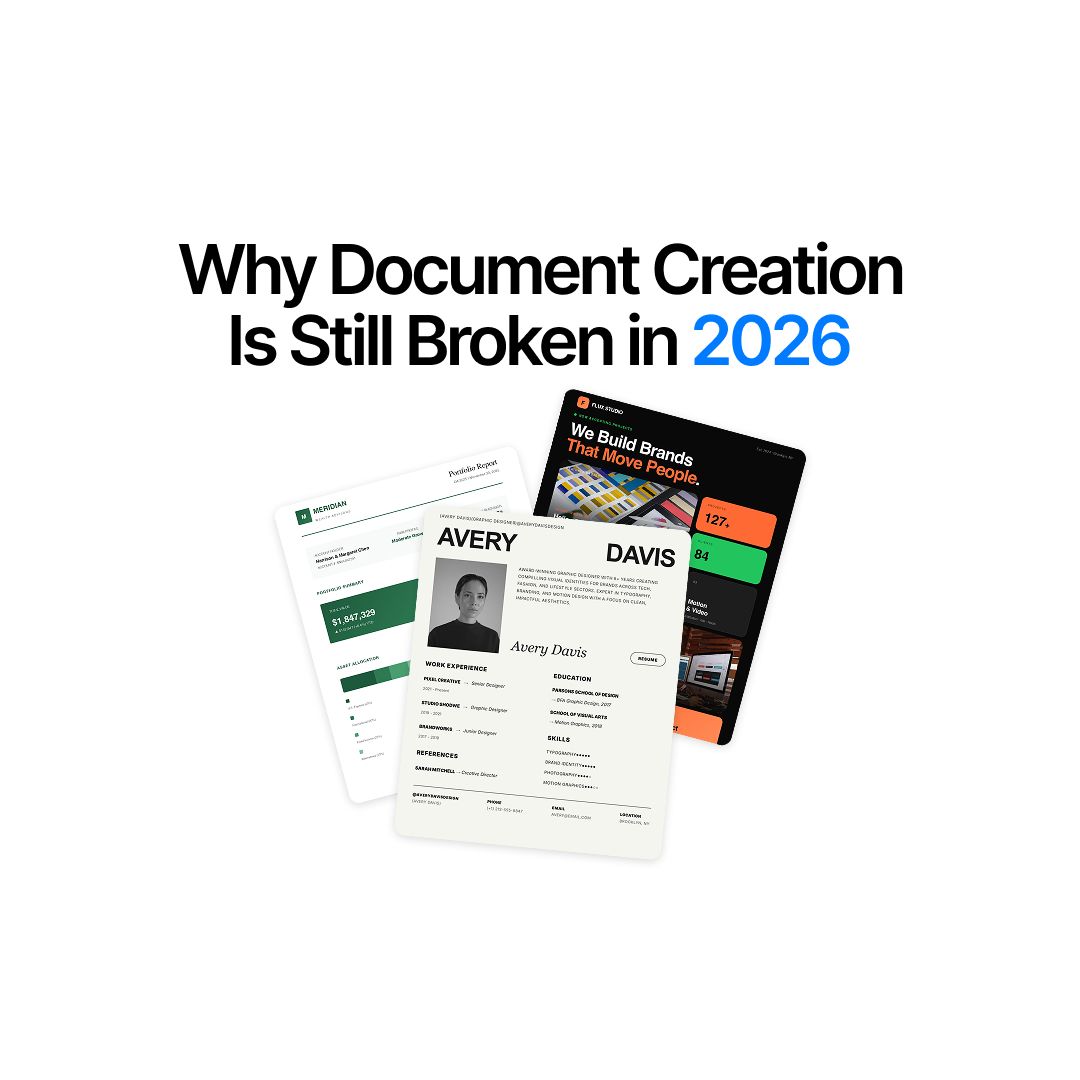
Why Document Creation Is Still Broken in 2026 — How AI Document Generators Are Fixing It

Faisal Saeed
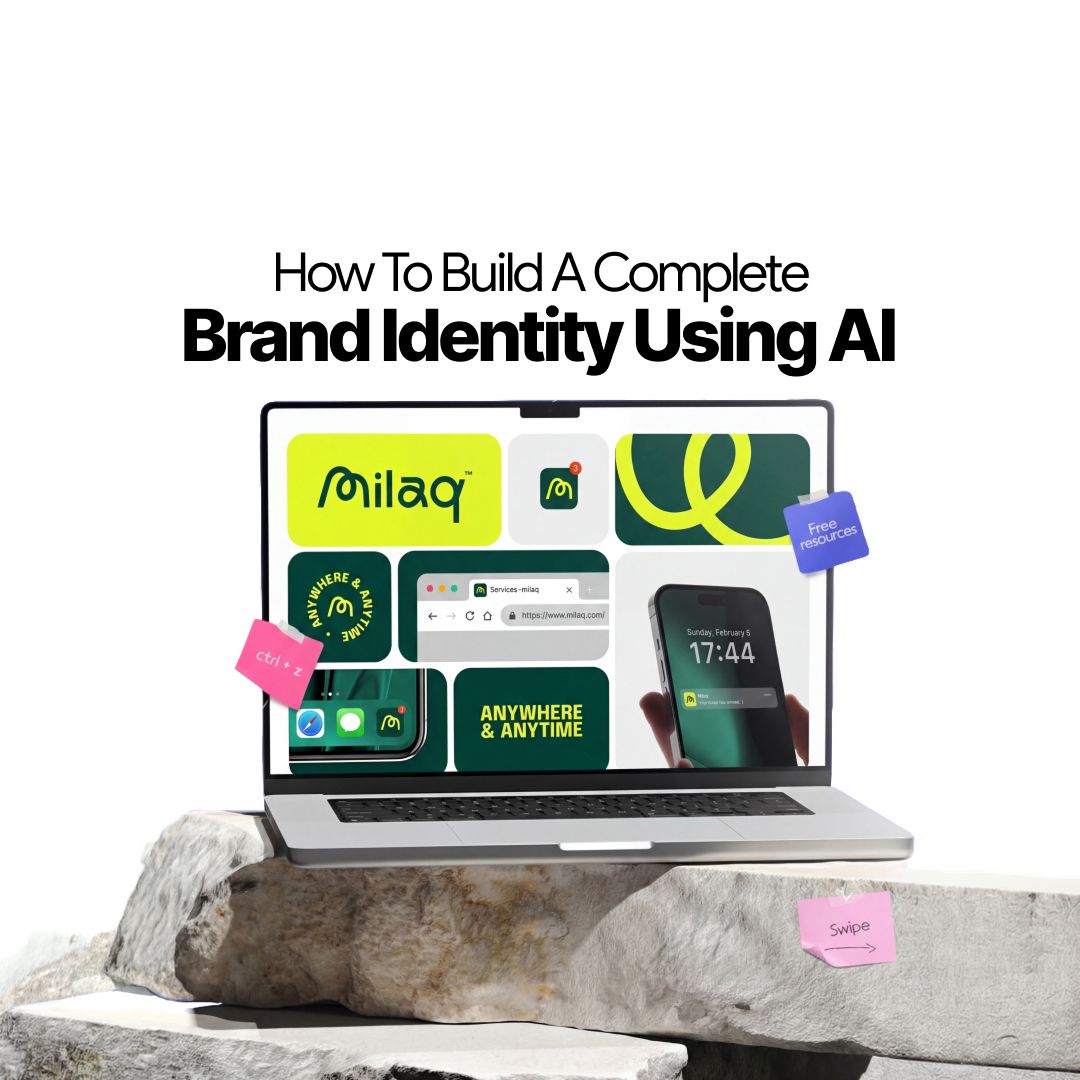
How to Build a Complete Brand Identity Using AI (A Practical System, Not Just Tools)
Faisal Saeed
How to Build Generative UI with Gemini 3 Pro: A Complete Guide
Faisal Saeed
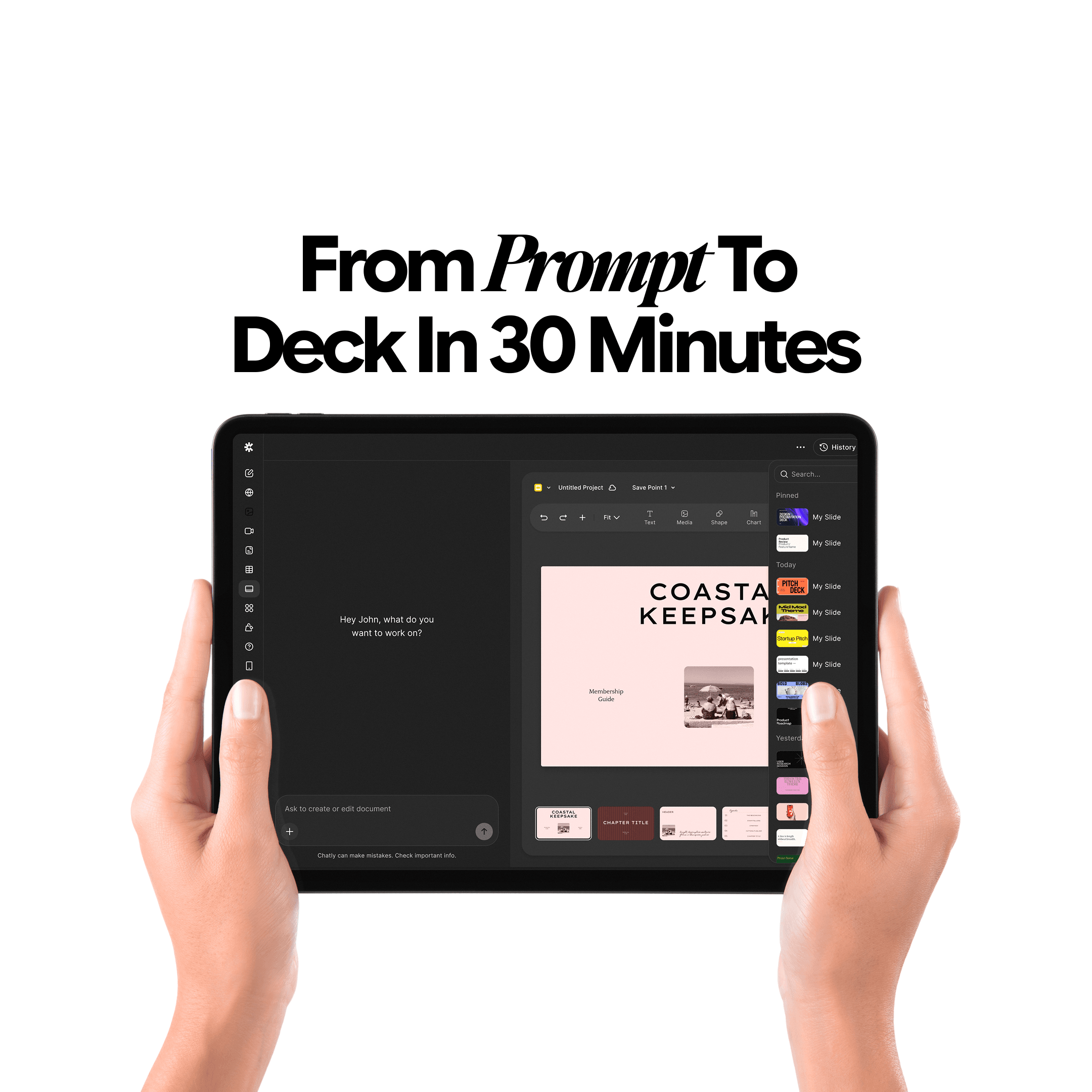
From Prompt to Deck in 30 Minutes – Winning AI Presentation Maker Workflow

Elena Foster
Claude Opus 4.7 Overview: Capabilities, Migration Challenges, & Pricing
Faisal Saeed