Paraphrasing tool for any tone
Paste your text and reword it in the tone you want.
Examples
Three things people make with it.
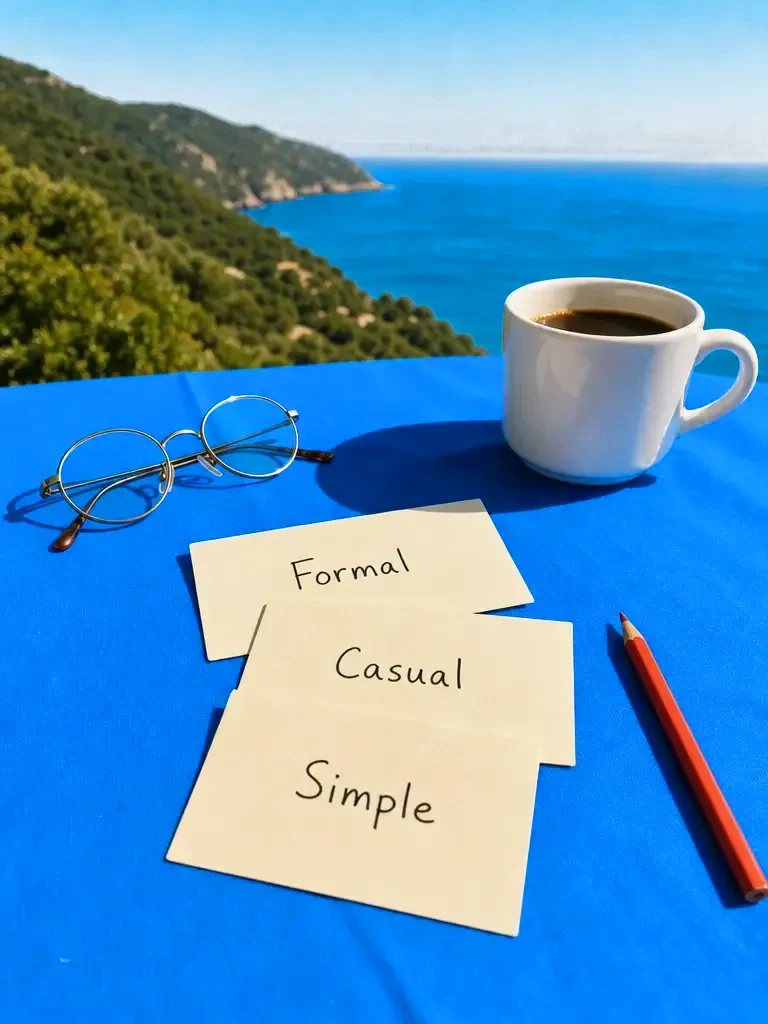
Pick a tone 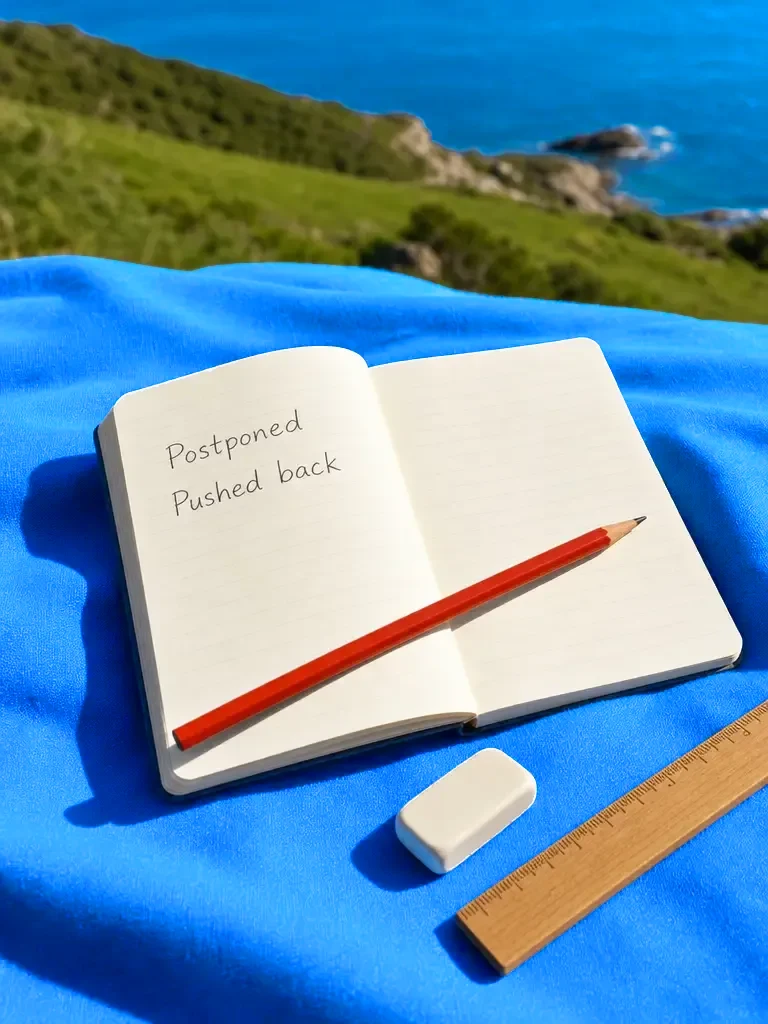
Say it another way 
Same meaning
How it works
Paste your text
Paste a sentence, a paragraph or a longer passage you want to say differently.

Pick the tone
Choose formal, casual, simple, academic, concise or creative, and say who will read it.

Compare and edit
Ask for another version, a shorter one or a plainer one, and keep the wording you prefer.
Features
Tones onrequest
Learn more about tones on requestMeaningkept
Learn more about meaning keptSeveralversions
Learn more about several versionsShorteror longer
Learn more about shorter or longerGrammarand flow
Learn more about grammar and flowMore than25 models
Learn more about more than 25 models
Who it’s for
Students and researchers
Restate an idea in your own words, then cite the source it came from.
Work writing
Make an email, a report or a post clearer, shorter or more polite.
Non-native speakers
Check that a sentence sounds natural, or get a simpler version of a hard one.
One sentence, five tones
The same sentence reworded for different readers. Pick the tone that fits the person who will read it, and the one you would use if you were speaking to them.
- Original
- The meeting has been postponed due to unforeseen circumstances.
- Formal
- Owing to unforeseen circumstances, the meeting has been rescheduled.
- Casual
- The meeting's been pushed back because something came up.
- Simple
- The meeting is later because there was a problem.
- Concise
- The meeting is postponed.
When paraphrasing helps, and when it does not
It helps when your idea is right but your wording is clumsy, when you need the same message for a different reader, or when you want a shorter or simpler version of your own text.
It does not make someone else's work yours. If you are restating a source, the ideas still belong to the author, so give credit and keep a quote when the exact words matter.
Always read the result. A reworded sentence can lose a qualifier or change a figure, and you are the one who signs your name to it.
Getting a better rewrite
Say who the reader is and what the text is for. 'Rewrite for a busy manager, in three short sentences' gives a better result than 'rewrite this'. The more you say about the reader and the goal, the less you need to fix afterwards.
Give one instruction at a time. Ask for the tone first, then a length change, then a final polish, so you can see what each step did.
Paraphrasing for different jobs
For study notes, put an idea into your own words after you have read it, then compare your version with the source. If the two are too close, ask for a version that keeps the idea but changes the structure, and cite the source either way.
For work, one message often needs several versions: a formal one for a client, a casual one for the team and a short one for a chat message. Paste the original once and ask for each in turn.
For language learners, ask for a simpler version of a hard sentence, then a version at your own level, and compare the two. It shows how the same idea can be said with easier words and shorter sentences.
For clarity, ask the model to point out which words it changed and why. The explanation teaches you the rewrite, and it helps you decide which changes to keep. If a rewrite loses a nuance, say what was lost and ask the model to put it back, using your own words for the sentence you want to protect.
Frequently asked questions
Is the paraphrasing tool free?
You can start for free. Paid plans add credits and features. Standard is $20 a month, or less when you pay quarterly or yearly.
Which tones are available?
Any you can describe. Common ones are formal, casual, simple, academic, concise, friendly and persuasive. You can also say who will read it, such as a manager or a ten-year-old.
Is the reworded text plagiarism-safe?
Not automatically. A reworded passage still carries someone else's ideas, so cite the original source, and check the result with a plagiarism checker if it matters. Paraphrasing is not a substitute for credit.
Is there a word limit?
There is no fixed limit shown here, but long texts work best in sections. Paste a few paragraphs at a time, then join the results.
Will it change my meaning?
It should not, but check the result against the original, especially numbers, names and qualifiers such as 'may' and 'will'. Tell it to keep the meaning exactly and to flag anything it is unsure about.

One prompt in.
Real work out.
Paste your text and reword it in the tone you want.
Chatly on your Mac
Chatly for Mac
Docs on your desktop, with the contracts and CVs you already have to hand.
Download for macOS