
English to Chinese translator that keeps the tone
Paste your text and get a Chinese translation that keeps its tone and context.
Examples
Three things people make with it.
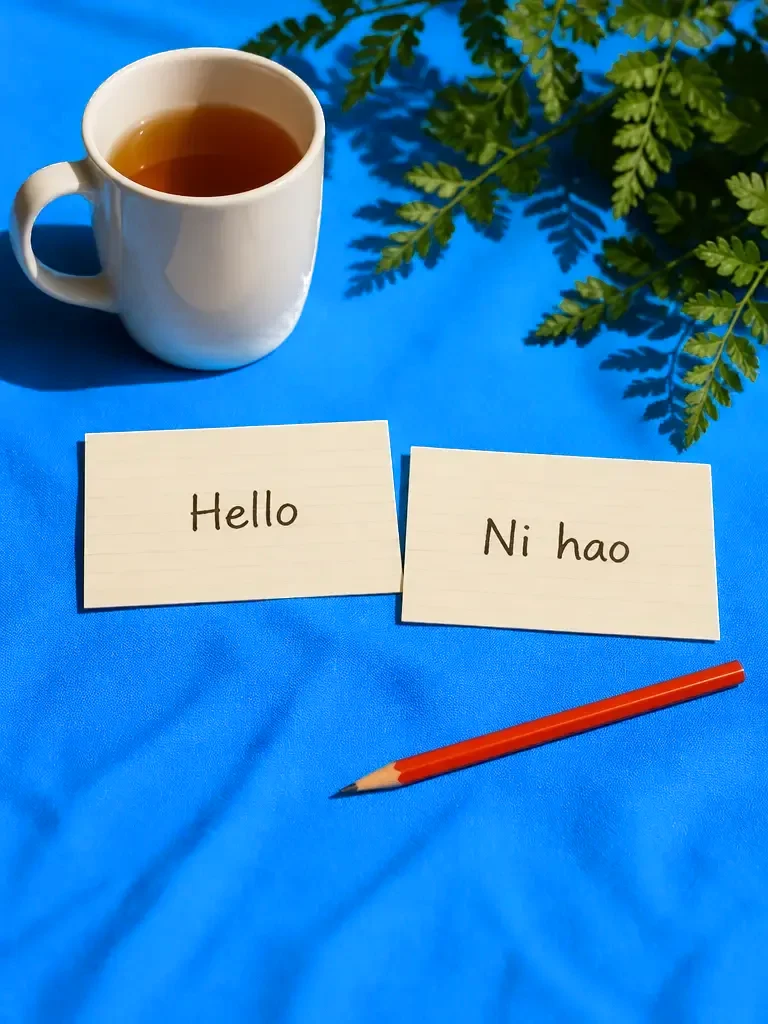
English to Chinese 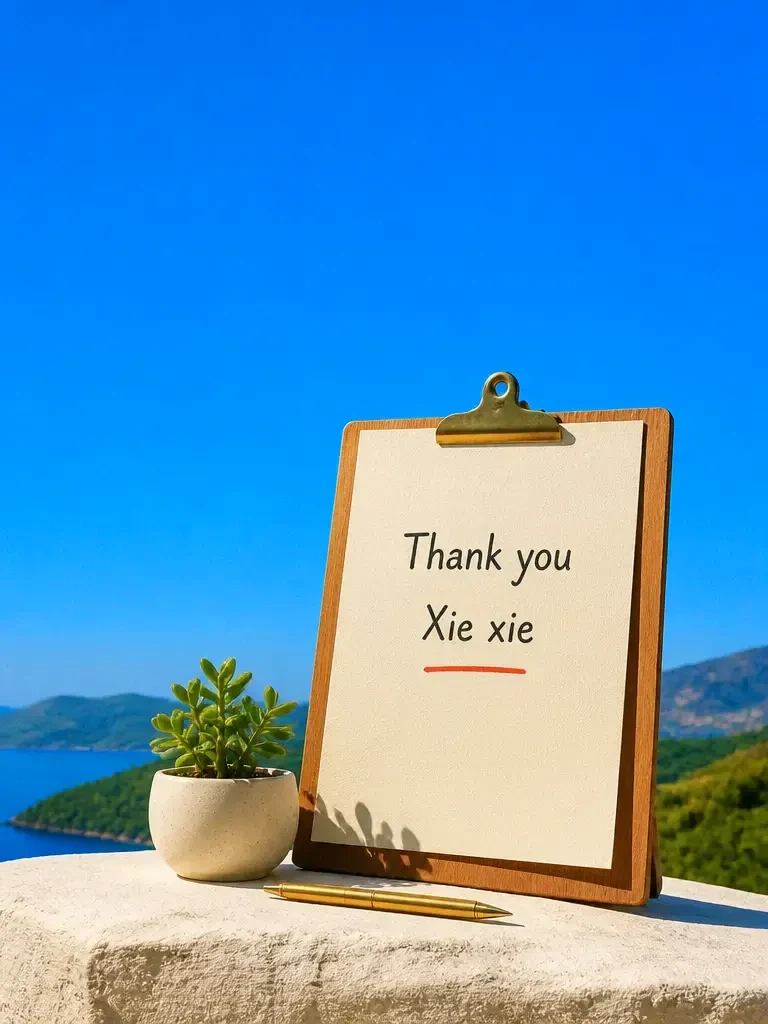
A phrase at a time 
Keeps the tone
How it works

Paste your English text
Paste a sentence, a message or a full page. You can also upload a document and ask for the translation of a section.
Say how it should sound
Say who the reader is and how formal to be, for example a polite email to a customer or a friendly message to a friend.

Check and refine
Read the Chinese result, ask for a more formal or more casual version, and ask why a word was chosen.
Features
Keepsthe tone
Learn more about keeps the toneUnderstandscontext
Learn more about understands contextMany kindsof text
Learn more about many kinds of textExplainsits choices
Learn more about explains its choicesFormal orcasual
Learn more about formal or casualMore than25 models
Learn more about more than 25 models
Who it’s for
Travel and daily life
Translate directions, menus, forms and messages, and ask for the polite form when you are speaking to someone you have just met.
Work and study
Translate emails, reports and course material, and keep the formal tone that business and school writing needs.
Family and friends
Write to people in Chinese in the way they would write, whether that is formal, warm or playful.
Example phrases, English to Chinese
Six everyday phrases with a typical translation. Your text may come out slightly different, because wording depends on the tone and context you give.
- How are you?
- 你好吗? (nǐ hǎo ma?)
- Thank you
- 谢谢 (xièxie)
- Good morning
- 早上好 (zǎoshang hǎo)
- Where is the station?
- 车站在哪里? (chēzhàn zài nǎlǐ?)
- I need help
- 我需要帮助 (wǒ xūyào bāngzhù)
- What is your name?
- 你叫什么名字? (nǐ jiào shénme míngzi?)
Simplified, Traditional and pinyin
Chinese is written with characters, in two standard forms. Simplified is used in mainland China and Singapore, and Traditional in Taiwan, Hong Kong and Macau. Name the form your readers use, because the same word can look quite different in each.
Pinyin spells the sounds with Latin letters and tone marks, which helps learners and anyone who needs to say the words aloud. Ask for characters only, pinyin only, or both together in a table.
Context, tone and measure words
Chinese often leaves out pronouns and does not mark tense, so the translator needs context to choose the right English-like meaning. Give it a sentence before and after, or say who is speaking and when.
Chinese also uses measure words between a number and a noun, and chooses words by how formal the text is. For business or official writing, say so, and ask for a formal register rather than conversational wording.
How to get a natural translation
Say who the reader is. A message to a customer, to a colleague and to a friend each call for different wording, and the translator cannot guess which one you mean. One short instruction, such as polite and formal, changes the result a great deal.
Give context. A word on its own can mean several things, and a single sentence may be unclear without the sentence before it. Paste a little more text, or add a line such as this is an email about a delayed order, and the translation will fit.
Ask for a second version. If the first translation sounds stiff or too casual, say so, and ask for the other register. Reading both is often the quickest way to find the wording you want.
When to use a human translator
An AI translation is a good first version for everyday use. For a contract, a medical or legal document, a published text or anything with safety or money riding on it, have a qualified translator check it, and keep the original beside the translation.
Frequently asked questions
How accurate is it?
It is good for everyday text, messages and most documents, and it reads naturally. It can still miss a nuance, a name or a technical term, so check anything important, and have a native speaker or a certified translator review legal, medical or official documents.
Can it keep tone and context?
Yes. Say who the reader is and how formal to be, and give surrounding text where you can. The translation then follows the tone you describe instead of translating each word on its own.
Simplified or Traditional Chinese, and can I get pinyin?
Both are available. Say Simplified, used in mainland China and Singapore, or Traditional, used in Taiwan, Hong Kong and Macau. You can also ask for pinyin, the Latin spelling with tone marks, beside the characters.
Is it free?
You can start for free. Paid plans add credits and features. Standard is $20 a month, or less when you pay quarterly or yearly.
Which models translate?
More than 25, including GPT, Claude, Gemini and others. The box on this page opens on a balanced GPT model, and you can switch to another in the same chat to compare.

One prompt in.
Real work out.
Paste your text and get a Chinese translation that keeps its tone and context.
Chatly on your Mac
Chatly for Mac
Docs on your desktop, with the contracts and CVs you already have to hand.
Download for macOS